
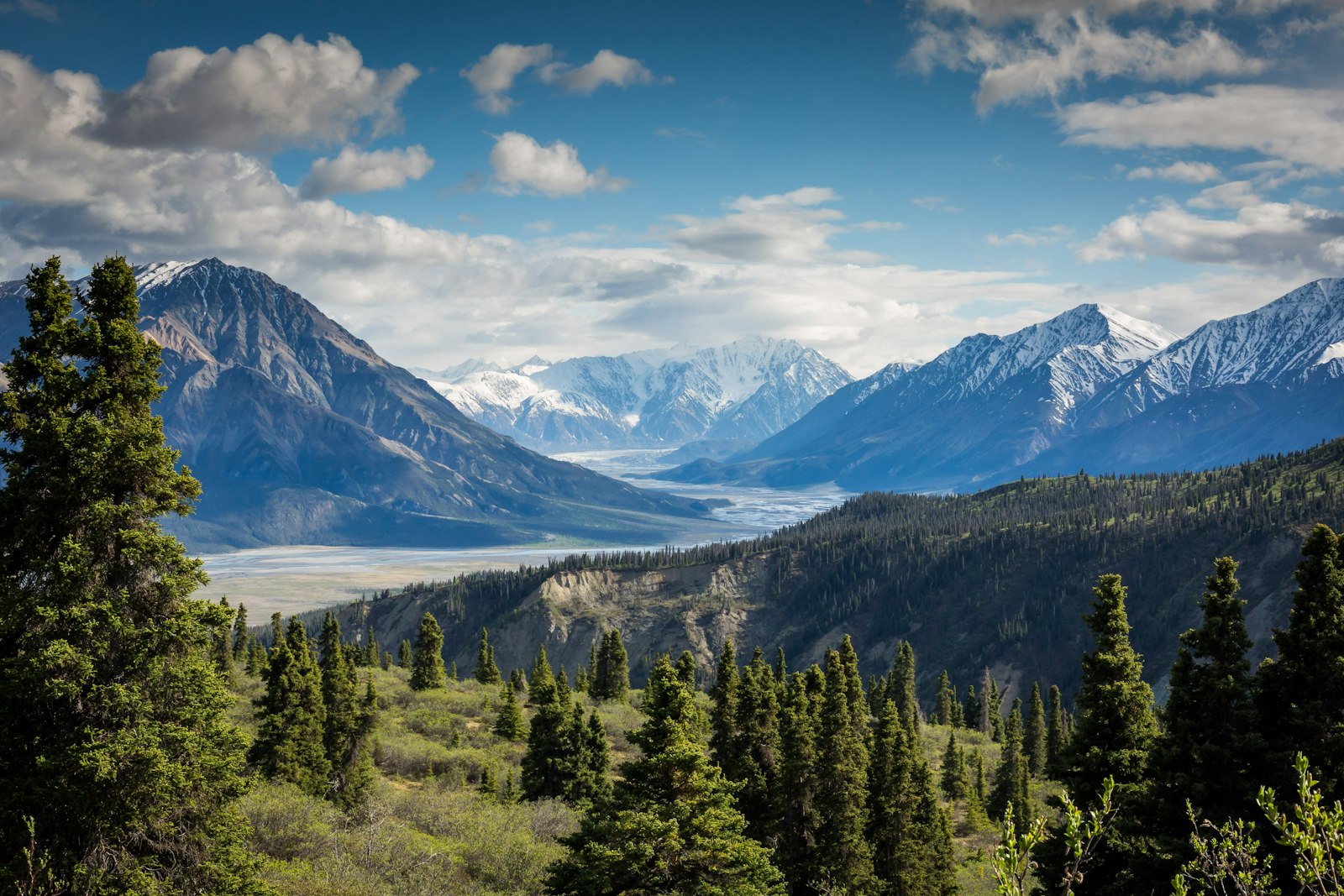
Standing at 6,387 meters (20,955 feet), Black Peak—known locally as Kalanag or Kala Nag—rises as the crown jewel of the Bandarpunch massif in India's Garhwal Himalayas. For mountaineers seeking their first taste of high-altitude technical climbing, Black Peak offers an extraordinary opportunity: a genuine 6,000-meter summit that remains accessible to determined adventurers with proper preparation.
Unlike the crowded routes of more famous Himalayan peaks, Black Peak rewards climbers with solitude, pristine wilderness, and one of the most dramatic summit experiences in the Indian Himalayas. The final push involves a legendary 75-foot vertical ice wall with a near 70-degree gradient—a technical challenge that separates this expedition from ordinary high-altitude treks.
This comprehensive guide covers everything you need to know about climbing Black Peak, from the rich history of its first ascent to the practical details of equipment, training, and expedition logistics.
What is Black Peak?
The Mountain
Black Peak is the highest peak in the Bandarpunch massif, a dramatic mountain group in the western Garhwal Himalayas of Uttarakhand, India. The massif comprises three major peaks:
| Peak | Altitude | Alternative Names |
|---|---|---|
| Black Peak (Kalanag) | 6,387m (20,955 ft) | Kala Nag |
| Bandarpunch I | 6,316m (20,722 ft) | Saraswati Devi Parbat |
| Bandarpunch II (White Peak) | 6,102m (20,020 ft) | Hanuman Parbat |
The Name
The name Kalanag literally translates to "Black Cobra" or "Black Serpent" in Hindi (काला नाग). This evocative name derives from two sources:
- The West Face: A wall of solid black rock that dominates one side of the mountain
- Serpentine Appearance: The black rock formation resembles the raised hood of a giant cobra—religiously significant as Lord Shiva's necklace in Hindu mythology
Location
The peak sits within the Govind Pashu Vihar National Park & Wildlife Sanctuary, a protected reserve spanning 958 square kilometers, established on March 1, 1955. Named after prominent Indian freedom fighter and politician Govind Ballabh Pant, this pristine ecosystem is home to rare Himalayan wildlife including the elusive snow leopard.
The Historic First Ascent
First Summit: 1955
By Jack Gibson and students from The Doon School, Dehradun, via the northwest flank.
Jack Gibson: The Pioneer
John Travers Mends Gibson OBE (1908-1994) was an English schoolmaster, scholar, and distinguished British Himalayan mountaineer who joined The Doon School in 1937 as a housemaster. Rather than pursuing personal glory on the highest peaks, Gibson found greater satisfaction in teaching mountain skills to young Indians and instilling in them a love for the high hills.
The 1937 Bandarpunch Expedition
Gibson's Himalayan legacy began even earlier. In 1937—his very first summer in India—he and colleague John Martyn reached the summit ridge of Bandarpunch alongside a young Sherpa named Tenzing Norgay—the same Tenzing who would later become the first person (along with Edmund Hillary) to summit Mount Everest in 1953.
This expedition sparked a lifelong friendship between Gibson and Tenzing. They would return to Bandarpunch multiple times, finally achieving the first complete ascent in 1950. Tenzing dubbed it "the Doon School mountain" in his autobiography.
Legacy: The Doon School and Indian Mountaineering
The Doon School played a foundational role in post-Independence Indian mountaineering. From the 1940s onwards, masters and students including Gurdial Singh, Aamir Ali, Hari Dang, and Nandu Jayal were among the first Indians to undertake major Himalayan expeditions. Gibson's work at Black Peak and throughout the Garhwal region helped establish the traditions and training that would develop generations of Indian mountaineers.
Why Climb Black Peak?
Perfect Entry to 6,000m Climbing
Gradual acclimatization, established route, manageable 15-day duration, and quality support make this an ideal first high-altitude technical climb.
The 75-Foot Ice Wall
The signature technical challenge—a near-vertical ice wall with 70-degree gradient requiring fixed rope climbing, crampon proficiency, and mental fortitude.
Breathtaking Summit Views
360-degree panorama of Swargarohini, Bandarpunch, Gangotri Glacier Zone, peaks of Himachal Pradesh, and distant Tibet.
Pristine Wilderness
Pass through Govind Wildlife Sanctuary with ancient forests, alpine meadows, crystal-clear Ruinsara Lake, and rare wildlife sightings.
Rich Cultural Heritage
Traditional Himalayan villages where ancient customs persist, warm hospitality, and fascinating local traditions.
The Route: Sankri to Summit
Understanding the Black Peak route is crucial for preparation and mental readiness. The expedition follows a logical progression through distinct zones.
Approach Trek (Days 1-4)
Dehradun → Sankri → Devsu Thatch → Ruinsara Tal → Base Camp
The journey begins with an 8-9 hour drive from Dehradun through the scenic Mussoorie-Purola-Mori route. Sankri village (1,950m) serves as the gateway—the same launching point for famous treks like Har Ki Dun, Kedarkantha, and Bali Pass.
Acclimatization & Training (Day 5)
At Kyarkoti Base Camp (4,050m), a full day dedicated to altitude acclimatization and technical skills training including ice axe arrest, crampon techniques, rope work, and glacier travel safety protocols. This day is critical—the skills learned here could save your life on summit day.
Higher Camps (Days 6-10)
Base Camp → ABC → Camp 1 → Summit Camp
The expedition employs a siege-style approach with load ferries. Carrying supplies up and returning to sleep lower enhances acclimatization and increases summit success rates.
Summit Day (Day 11)
The summit push begins around 2:00 AM with headlamps illuminating the pre-dawn darkness. Navigate initial snow slopes, tackle the legendary 75-foot ice wall with fixed ropes, traverse the narrow summit ridge, and reach the peak at sunrise for 360-degree views.
Total duration: 10-12 hours round trip to ABC.
Descent (Days 12-15)
The descent retraces the approach route with buffer days built in for weather delays, recovery time, celebrating success with teammates, and certificate distribution at Sankri.
Complete Day-by-Day Itinerary
1 Dehradun to Sankri
Dehradun to Sankri
Begin your journey from Dehradun early morning. Drive through the scenic Mussoorie-Purola-Mori route, passing through dense forests and small Himalayan villages. Arrive at Sankri, a beautiful village that serves as the gateway to many Himalayan treks. Overnight stay in homestay.
2 Drive to Taluka & Hike to Devsu
Drive to Taluka & Hike to Devsu
Drive from Sankri till the last possible motorable point at Taluka. Begin the trek through oak and rhododendron forests. The trail offers glimpses of snow-capped peaks. Reach Devsu Thatch, a beautiful meadow surrounded by dense forests. Set up camp and acclimatize.
3 Devsu to Ruinsara
Devsu to Ruinsara
Trek alongside the Ruinsara Gad through alpine meadows and birch forests. Arrive at the stunning Ruinsara Lake, a glacial lake reflecting the surrounding peaks. The campsite offers spectacular views of the Bandarpunch range.
4 Ruinsara to Kyarkoti (BC)
Ruinsara to Kyarkoti (BC)
Ascend through moraines and boulder fields towards Kyarkoti, the expedition's base camp. The landscape transitions from alpine meadows to rocky terrain. Establish base camp with views of Black Peak dominating the horizon.
5 Acclimatization & Technical Training
Acclimatization & Technical Training
Critical acclimatization day at base camp. Conduct technical training sessions including ice axe arrest, crampon techniques, rope work, and glacier travel safety. Short acclimatization hike to higher altitude. Rest and prepare equipment.
6 BC to ABC (Load Ferry)
BC to ABC (Load Ferry)
First load ferry to Advanced Base Camp (ABC). Carry equipment and supplies to establish the higher camp. Return to base camp for the night. This rotation helps with acclimatization.
7 BC to ABC (Move)
BC to ABC (Move)
Move to Advanced Base Camp with remaining equipment. The route crosses initial glacier sections. Establish ABC and prepare for the next phase of the expedition.
8 ABC to Camp 1 (Load Ferry)
ABC to Camp 1 (Load Ferry)
Load ferry to Camp 1 through crevassed glacier terrain. Navigate around seracs and ice formations. Practice rope techniques on the glacier. Return to ABC.
9 Move to Camp 1
Move to Camp 1
Move to Camp 1 with remaining supplies. The route requires careful glacier navigation. Prepare for the summit push and review the route ahead.
10 Camp 1 to Summit Camp
Camp 1 to Summit Camp
Establish summit camp on the upper glacier. The terrain becomes steeper with technical sections. Early dinner and rest. Summit briefing and equipment check.
11 Summit Attempt - ABC
Summit Attempt - ABC
Start at 2 AM with headlamps. Navigate the 75-foot ice wall with fixed ropes. Push through snow slopes to reach the summit ridge. Summit Black Peak at sunrise with 360° panoramic views of Swargarohini, Bandarpunch, and distant peaks. Descend carefully to ABC.
12 ABC - Base Camp/Ruinsara
ABC - Base Camp/Ruinsara
Descend from ABC through base camp to Ruinsara. Celebrate the successful summit with the team. The descent offers different perspectives of the terrain covered.
13 Back to Seema/Sankri
Back to Seema/Sankri
Final trek day descending through Devsu. Depending on conditions, trek to Seema or continue to Sankri. Farewell to the mountains and return to the village. Certificate distribution and expedition wrap-up.
14-15 Buffer Days
Buffer Days
Reserved for weather delays or rest. If not needed for the expedition, these days can be used for exploring Sankri village, additional rest, or departure to Dehradun. Drive back to Dehradun when expedition concludes.
Best Time to Climb
Black Peak has two optimal climbing windows corresponding to India's pre-monsoon and post-monsoon seasons.
Pre-Monsoon
May - June- Weather: Generally stable with occasional afternoon clouds
- Temperature: 0°C to 10°C (day), sub-zero at night
- Snow Conditions: Good consolidated snow, reliable ice wall
- Visibility: Clear mornings, possible afternoon haze
Post-Monsoon
September - October- Weather: Very stable, clear skies predominate
- Temperature: -5°C to 5°C (day), significantly colder at night
- Snow Conditions: Fresh snow possible, icier conditions
- Visibility: Exceptional—clearest views of the year
Seasons to Avoid
- Monsoon (July-August): Heavy rainfall, dangerous conditions, zero visibility
- Winter (November-February): Extreme cold, heavy snow, avalanche danger
Technical Difficulty & Requirements
Technical Skills Required
Essential (Must have before)
- Basic crampon walking on snow and ice
- Ice axe self-arrest
- Rope handling and knot tying
- Understanding of rope team travel
- Basic glacier safety awareness
Taught During Expedition
- Advanced crampon techniques
- Fixed rope ascending (jumar use)
- Fixed rope descending
- Crevasse rescue basics
- High-altitude camping
Physical Requirements
Essential Equipment & Gear
Climbing Rope
Dynamic rope for safety
Harness
Adjustable sit harness
Helmet
Climbing helmet
Ice Axe
General mountaineering axe
Crampons
12-point steel crampons
Ascender
Jumar for fixed ropes
Descender
Figure-8 or ATC
Carabiners
Locking & non-locking
Base Layer
- Moisture-wicking thermal tops (2-3)
- Thermal bottoms (2-3)
- Merino wool recommended
Mid Layer
- Fleece jacket
- Down sweater / synthetic puffy
- Softshell pants
Outer Layer
- Waterproof/windproof jacket (Gore-Tex)
- Hardshell pants
- Down jacket rated to -20°C
Extremities
- Liner gloves + insulated gloves + mitts
- Warm hat, balaclava, sun hat
- Glacier sunglasses (Cat 4) + goggles
Mountaineering Boots
High-altitude, crampon-compatible, insulated double boots. Must be broken in before expedition.
Trekking Boots
Sturdy ankle support for approach trek through forests and meadows.
Camp Shoes
Warm, lightweight down booties or insulated sandals for camp.
Gaiters
Full-length gaiters for snow protection. Knee-high recommended.
Physical Preparation & Training
Start training 8-12 weeks before your expedition.
Foundation Phase
Build aerobic base & establish routineCardio
Running/jogging: 30-45 min
4x per weekStrength
Legs, core, upper body
3x per weekGoal
Establish consistent routine
Daily habitBuilding Phase
Increase intensity & add elevationTrail Running
Stair climbing, trails: 45-60 min
4x per weekWeighted Hikes
10-12 kg pack, 3-4 hours
WeekendsIntensity
Increase strength training load
ProgressivePeak Phase
Simulate expedition conditionsLong Hikes
10-15 kg pack, 4-6 hours
2x per weekHIIT
High-intensity intervals
2x per weekPrep Trek
Complete a 4,000m+ trek if possible
OptionalFitness Benchmarks
Wildlife & Flora
The expedition route through Govind Wildlife Sanctuary offers remarkable biodiversity.
Mammals
- Himalayan Black Bear
- Himalayan Tahr
- Bharal (Blue Sheep)
- Musk Deer
- Serow
- Snow Leopard (rare)
Birds
- Monal Pheasant (state bird)
- Himalayan Snowcock
- Golden Eagle
- Bearded Vulture
- Koklass Pheasant
- Chir Pheasant
Flora Zones
- Forest (1,950-3,000m): Oak, pine, birch, rhododendron
- Alpine (3,000-4,000m): Wildflowers, grasses
- High Alpine (4,000-5,000m): Mosses, lichens
- Glacial (5,000m+): Bare rock, ice
Rhododendron Season: Late April through June, the approach trail blooms with spectacular red, pink, and white rhododendrons.
Cost Breakdown
What's Included
- Accommodation in Sankri (Homestay/Guesthouse)
- All meals from Sankri to Sankri (Vegetarian + Eggs)
- Camping equipment (Tents, Sleeping bags, Mattresses)
- All technical climbing equipment (Ropes, Harnesses, Ice axes, Crampons)
- Certified expedition leader and experienced guides
- Support staff (Cook, Helper)
- Transport: Dehradun to Sankri and back
- All necessary permits (IMF, Forest, Wildlife)
- First aid and medical kit
- Oxygen cylinder for emergency
What's Not Included
- Personal clothing and gear
- Travel insurance (Mandatory)
- Personal expenses
- Meals during transit
- Porter charges for personal backpack offloading
- Tips for guides and support staff
- Emergency evacuation and medical expenses
- Anything not mentioned in inclusions
- Additional costs due to weather delays
- IMF fees for foreign nationals (USD 500+)
Ready to start your Black Peak journey?
Frequently Asked Questions
How difficult is the Black Peak expedition?
Black Peak is rated as a Difficult expedition. It involves a 75-foot vertical ice wall with a 70-degree gradient, glacier crossings, and high-altitude camping above 5,000m. Prior high-altitude trekking experience (like Roopkund, EBC) is recommended, though not mandatory if you have excellent fitness.
What is the best time to climb Black Peak?
The best seasons are May-June (pre-monsoon) and September-October (post-monsoon). May-June offers stable weather and good snow conditions for climbing. September-October has clearer skies and stunning autumn colors, though temperatures are colder.
Do I need previous mountaineering experience?
While not mandatory, previous high-altitude trekking experience is strongly recommended. You should have completed at least one trek above 4,000m. We provide comprehensive technical training during the expedition including ice axe use, crampon techniques, and rope work.
What fitness level is required?
You should be able to run 5 km in under 30 minutes and trek 8-10 km daily with a 10 kg backpack. Start training 2-3 months before the expedition with cardio, strength training, and hiking with weight.
What happens if weather prevents the summit attempt?
We have 2 buffer days built into the itinerary for weather delays. If conditions don't permit a safe summit attempt, the team leader will make the final call. Safety is always our priority. Refunds for weather-related cancellations follow our cancellation policy.
Is the expedition suitable for solo travelers?
Yes! Many of our participants join solo and leave as friends. The expedition creates strong bonds through shared challenges. We ensure comfortable group dynamics and tent sharing arrangements.
What technical equipment do I need to bring?
All technical climbing equipment is provided including harness, helmet, crampons, ice axe, ascender, and carabiners. You need to bring personal gear like trekking boots, warm layers, and sleeping bag liner (optional).
How do I reach Dehradun for the expedition?
Dehradun is well-connected by train (Dehradun Railway Station) and air (Jolly Grant Airport). You can also take overnight buses from Delhi. We recommend arriving a day early to account for travel delays.
What are the permit requirements for foreign nationals?
Foreign nationals require additional IMF (Indian Mountaineering Foundation) permits costing approximately USD 500-800, plus a mandatory Liaison Officer. They must have prior experience climbing a 6,000m+ peak. Contact us for detailed requirements.
Ready to Climb Black Peak?
Take the first step toward your 6,000-meter summit with The Vertical Tribe.
Upcoming Expedition Dates
Email: hello@theverticaltribe.com
Phone: +91 9004992822
Last updated: January 2026